 NEPTUNE FROST is a new sci-fi movie, though not the type anybody would picture when I say that word. It takes place in what must be the near future, with technology and civilization extrapolated from and commenting on the present. It has world-building, colorfully named characters (Memory, Innocent, Psychology), futuristic lingo, a rebellion. But it’s very much an art movie, its imagery more based in theater and video art than FX, and also it’s a musical. Its story is more mythical, surreal and allegorical than traditionally cinematic. The narrator, Neptune, acknowledges this upfront when she says, “Maybe you’re asking yourself WTF is this? Is it a poet’s idea of a dream?” So it’s not surprising that its growing cult success has come through a carefully coordinated limited release.
It’s set in Rwanda, and begins in a coltan mine. Skinny men in the sun chipping at rock with various tools, harvesting ore for capacitors used in phones and computers they mostly can’t afford. One miner named Tekno finds a big piece of coltan (I thought it was a fossil), becomes enamored with it and holds it aloft. An overseer yells at him to keep working, and hits him in the head. He falls over, to the horror of his brother Matalusa (Bertrand Ninteretse), and dies. The others are upset but forced to return to work. They drum and chant and create a beat with their work. (read the rest of this shit…)
 “It’s the so-called normal guys who always let you down. Sickos never scare me. At least they’re committed.” —Selina Kyle
 On June 19, 1992 we got a blockbuster super hero movie unlike we’d seen before or have since. Since Tim Burton’s BATMAN RETURNS was about as much of a sure thing hit as a studio could ever have, and because the director had been unsure about doing another one, Warner Brothers left him alone to do what he wanted. So it’s a rare combination: an expensive summer blockbuster based on pop culture icons, but also an odd, personal film by an earnest visualist director without much interest in crowdpleasing spectacle. Okay, maybe that describes 1990’s
 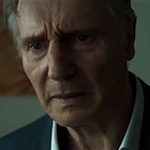 MEMORY is not the best movie we will see from star Liam Neeson or director Martin Campbell (
 THE PRINCESS is a new straight-to-Hulu movie with a simple concept. At its center is a Disney-type story of a medieval princess who wants to find her own destiny and not be forced to marry somebody for political reasons, but it’s done as a violent martial arts movie with a
 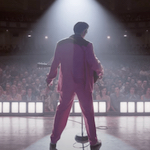 Any musician biopic, pretty much, is gonna be a legend or a tall tale. What’s great about Baz Luhrmann directing one is that his entire style leans into that. Condensing a whole life and career into an entertaining 2 1/2 hours requires shortcuts, cheats and artistic license that prevent it from being literally true, so here we have a director whose work is rarely about the literal truth anyway. It’s more about how something feels and looks and sounds, or making it look and sound like it feels. Biopics depend on montages to move quickly across time, and this guy speaks fluent montage. He’s also a director whose films have generally been on the verge of being jukebox musicals (going all the way in the case of MOULIN ROUGE!). So what could be more perfect for him than an Elvis Presley biopic?
 “Eh, waxworks are out of date. This is the video age.”
 On June 3, 1992, historians will tell you, Bill Clinton played saxophone on The Arsenio Hall Show. Arsenio made his usual big entrance, and sitting in with his house band The Posse was the former Arkansas governor, then presidential candidate, wearing sunglasses, taking a solo on “Heartbreak Hotel” and later “God Bless the Child.” Whatever you think of his playing (or politics, or whatever), Clinton’s willingness to campaign outside of the accepted outlets and methods may have helped end 12 shitty years of Republican rule.
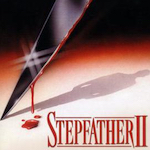 “You will NEVER find a better family man than me, Pumpkin!”
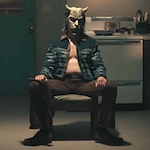 (beware The Spoiler)
 SISTER ACT was released on May 29, 1992 and is of course the Golden Globe nominated feel-good fish-out-of-water comedy smash hit starring Whoopi Goldberg (last seen in