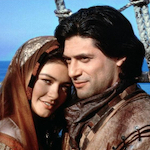
 In 1992, several similarly themed movies sailed the ocean blue. It was the 500th anniversary of the voyage of Christopher Columbus, and it goes without saying that mainstream audiences go absolutely fuckin ape shit for any movie commemorating a quincentenary. So who could blame producers for knowing for sure there was gonna be some intense Columbus Fever infecting the indigenous population of movie theaters, and wanting to hop aboard that ship? For example, Gaumont put together 1492: THE CONQUEST OF PARADISE, which was directed by the great Ridley Scott, with cinematography by Adrian Biddle (ALIENS) and music by Vangelis.
 But that one didn’t come out until October. The one that came out August 21, 1992, causing me to have to watch it, was CHRISTOPHER COLUMBUS: THE DISCOVERY. That’s the one produced by the father and son team of Alexander and Ilya Salkind, best known for producing the SUPERMAN movies. And then SUPERGIRL and then SANTA CLAUS: THE MOVIE and then Alejandro Jodorowsky’s disowned THE RAINBOW THIEF and then this. They had such a terrible time with this one that they quit the business (though Ilya did do one more movie, DANCING FOR MY HAVANA, 23 years later.) (read the rest of this shit…)
 Like
Like  “This ain’t about money anymore.”
 STAY TUNED is a big high concept comedy very suited for an August 14th Weird Summer release. It even has a tagline playing off it being a weird time (“Something weird’s on the air.”) It comes from Morgan Creek Productions, who I respect for bringing us such off kilter mainstream releases as
  I’ve been trying to put my finger on the specific vibe I sense in early ‘90s (pre-Tarantino) indie-cinema. We hit on the topic with
  August 7, 1992 brought us the release of not only best picture winner
  They used to say that August was the “dog days,” when all the shitty movies get dumped. Yeah, okay, maybe some of them. But August 7, 1992 was when they released one of the best movies of the ’90s. A movie I continue to watch every couple years and absolutely love. One of those movies that’s kind of seen as a commentary on its genre but really it’s just a high watermark for it. This was even the movie that won best picture that year. Oh yeah no I’m not talking about 3 NINJAS yet, I’m talking about Clint Eastwood’s
  July 31, 1992
 THREE THOUSAND YEARS OF LONGING is the new George god damn Miller movie. So obviously you should see it. Here are some thoughts.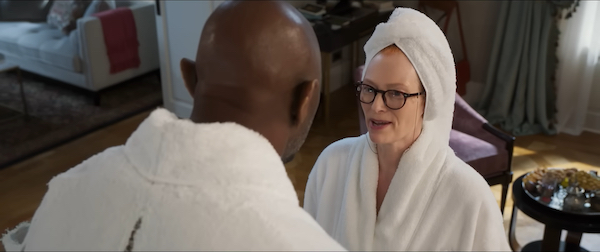
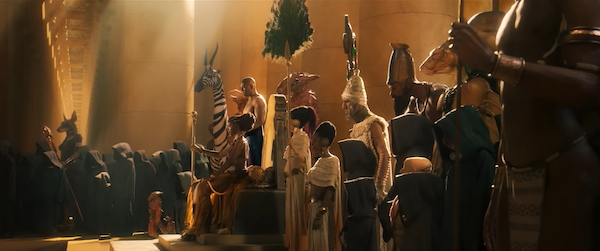
 Well, I’m afraid it seems my fellow people who write about movies were not open to a giant corporation treating an 80+ year old animation masterpiece as i.p. to remake in a modern style, especially coming from a once A-list director they’ve turned on in his later, weirder years. So they engaged in a hyperbole measuring contest to find out who could hate Robert Zemeckis’s PINOCCHIO (2022) most outlandishly.