 TEENAGE SEX AND DEATH AT CAMP MIASMA is the third movie from writer/director Jane Schoenbrun. I haven’t seen WE’RE ALL GOING TO THE WORLD’S FAIR (2021), but I did see I SAW THE TV GLOW (2024), which was released by A24 to great acclaim and adulation.
I confess I didn’t get that one. Didn’t even feel qualified to review it. I love its look, and I was impressed by its creation of a ‘90s tv show called The Pink Opaque that its characters are obsessed with. It’s like the show Videodrome would make in response to the popularity of Buffy the Vampire Slayer. But I struggled with watching Justice Smith, who was so charismatic on The Get Down, play such a charmless, passive lead. I’ve read that’s because it’s a trans allegory and the character is repressed, and that’s another thing: there is no way on earth that I would know this was a trans allegory without reading about it. It’s interesting to read about, and it’s a movie that means so much to so many (including plenty of cis people I know), but I simply can’t decode it. I can appreciate the vibes, but in that case it wasn’t enough.
CAMP MIASMA is another trans allegory, but it’s more on my frequency. Maybe some of the very specialized things it’s about are also more universal, or maybe it’s just that it’s funnier. But it sure doesn’t hurt that it’s about slasher movies. Up and coming young indie director Kris Williams (Hannah Einbinder, Hacks) has been hired to reboot a long-running, now moribund summer camp slasher series called CAMP MIASMA. The opening credits have a very detailed montage of franchise history, with 14 movies that mostly line up with the FRIDAY THE 13TH sequels, except there’s a Christmas one and an ARMY OF DARKNESS one and I think a HALLOWEEN 6 thorn cult reference. The most important inspiration, though, is SLEEPAWAY CAMP, with the killer’s psychosis attributed to being raised as both a boy and a girl. Kris says they hired her, a known lesbian, in a cynical attempt to launder the problematicness out of the i.p. (read the rest of this shit…)

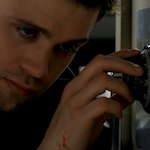 TUNER is a pretty simple and well-constructed little crime movie, about a quiet, unassuming protagonist with very specific talents, vulnerabilities and needs. It feels like it could’ve come from some brilliant but under-the-radar paperback, a quick but satisfying read. One thing that makes it distinct is that it’s also a romance – more of a romance than a crime movie, arguably – and it managed to get me more invested in the relationship than the stealing. And feel okay about that.
 July 26, 1996
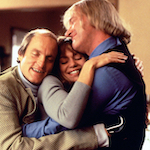
 It’s the second film from Peter & Bobby Farrelly (now a team directing a script by Golden Girls writers Barry Fanaro & Mort Nathan), and definitely my favorite of theirs. I think of them as a little cheesy now, but the filmmaking in this one is strong, and that’s part of why it works. It’s stuffed with broad, rapid fire jokes, but it looks and feels like A Real Movie. It’s way funnier and sillier than the average comedy, but at the end when it acts like I care about the characters mending their relationships and getting what they want, it’s not being presumptuous. I really do! It’s a very precise tone that I rarely see pulled off this successfully.
 July 26, 1996
 July 24, 1996
 I know we’re supposed to be cynical about i.p. and remakes and what not, but I am a child of Freddy, so to my mind franchising has always been one of the elements of horror. It doesn’t have to be the main one, it could be low on the totem pole, like beatboxing in hip hop. But it’s always gonna have some appeal to me when they do it right.
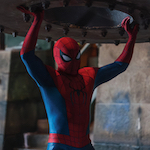 There’s a scene in SPIDER-MAN: BRAND NEW DAY where Peter Parker (Tom Holland,
 July 24, 1996
 July 19, 1996 (U.S. release date)